Weight Loss + Meal Plan: Why This Doesn’t Add Up
You already know what to do. So why isn’t it working?
Open ChatGPT. Type in your calories, your protein goal, your food restrictions. In under a minute, you have a full week of meals, recipes, macros, grocery list. It’s genuinely impressive.
And yet. Here you are.
If the problem was the information, you’d have solved this by now. Most women I work with have tried the programs, read the books, downloaded the apps. They know what to eat. The knowing has never been the problem.
So what is?
Week 4 Is Where Everyone Hits the Wall
Two of my clients are both at the four-week mark of coaching. Different lives, different goals, different food challenges. But in the same week, they both came to their calls saying almost the exact same thing:
“This is where I always quit.”
One had a full house of friends for the weekend — alcohol, late nights, nachos, the whole thing. She stopped tracking because she was embarrassed. Felt like she had no willpower, no discipline. Like she’d ruined everything.
The other had a beautiful Valentine’s Day dinner with family, splurged on a cheesecake that turned out to have three times the calories she expected, and then spent the next several days being chased by sugar cravings, feeling like she’d completely blown it.
Week 4. Both of them. That’s not a coincidence, that’s a pattern. That’s the wall.
The wall is the moment when initial motivation fades. When real life crashes into your best intentions. When one imperfect weekend becomes the proof your brain was waiting for: See? You can’t do this. You never stick with it.
Here’s what I want you to understand: that moment is not a nutrition problem. It’s a thoughts and beliefs problem. It’s the story you’ve been telling yourself (probably for years) showing up right on schedule.
What a Coach Does That a Meal Plan Never Can
Neither of these women quit. They got on a call.
And here’s the thing, neither of them had ever worked with a coach before. Neither had ever had someone else look at their week, review their patterns, and reflect back what they couldn’t see themselves.
They couldn’t see how much they had actually done right.
The client who felt like she’d completely failed that weekend? When I went through her notes, I saw something different. She had front-loaded protein on most of her days. She prepped food ahead of time. She set out healthier snacks for her friends. She made a conscious choice not to leave alcohol sitting out for everyone to grab. Those are not the actions of someone who failed, those are the actions of someone who is leaning into new instincts, even when things get messy.
But she could not see any of it. Her brain had zoomed in on the two hard days and erased the rest of the week. That’s not her being dramatic, that’s just how we’re wired when we’re deep in diet-culture thinking. We measure ourselves by our worst moments.
“You’re way more optimistic about how it went than I am.” That’s the point, I’m the coach. I see what you can’t.
For the other client, the work was helping her understand what was actually happening in her body. The cravings chasing her for days after the high-sugar dessert? That’s biology, not weakness. Her body was responding to a blood sugar spike. She wasn’t falling apart, she was experiencing a completely predictable physiological response. And now that she could name it, she could ride it out instead of giving up.
She told me, “This is where I always lose it and give into the cravings.”
I told her: not this time. Because this time, you got on the call. You broke the pattern.
ChatGPT Can Give You the What. It Can’t Give You the How.
I want to be clear: AI tools are genuinely useful. If you want to build a meal plan around your macros, ChatGPT is brilliant for that.
But a meal plan, no matter how sophisticated, is essentially a very smart diet book.
And most of us have had a lot of very smart diet books.
The what has never been the missing piece. The missing piece is the how and that’s where everything falls apart. Here’s what no meal plan can do:
- It can’t help you when you’re hosting a house full of guests and protein goes out the window and you’re too embarrassed to even open your tracking app.
- It can’t sit with you at week 4 and help you see that you haven’t failed, you’ve just hit the wall that everyone hits, and this time you have someone in your corner.
- It can’t reframe “I have no willpower” into “I set myself up to be biologically hungry”, which changes everything about how you respond.
- It can’t notice the patterns in your week that you’re too close to see yourself.
The real roadblocks in a weight loss journey are almost never about the food. They’re about:
- Conflicting priorities — life just keeps happening.
- Not planning — because planning feels like one more thing.
- Time management — the good intention that runs out of day.
- Lack of belief — the quiet voice that says you don’t deserve it, or you’ll never get there.
- Managing emotions — because food has always been how we cope, celebrate, and comfort.
ChatGPT will give you information. It won’t give you solutions to the roadblocks.
Sustainable Weight Loss Is an Inside Job
Here’s what I know after years of working with women on this: sustainable fat loss is not primarily a nutrition problem. It’s a self-belief problem. It’s a mindset problem. It’s a “what do I tell myself when I have an imperfect weekend” problem.
The food is actually the easy part, once you’ve worked through the mental baggage.
When my clients say “I was bad,” that’s not a food comment. That’s years of diet culture telling them that eating is a moral act. That enjoying a dessert with family makes them a failure. That one hard weekend means they should start over.
The real work is helping them understand that none of that is true. That the data from a hard week is valuable. That course-correcting is what winners do. That their body is not their enemy, it’s just asking for something different than what it’s been getting.
You cannot learn that from a meal plan. And you cannot figure it out alone, not because you’re not smart or capable, but because you’re too close to it. You need someone who can see what you can’t.
This Time Can Be Different — But Only If Something Is Different
Both of my clients at week 4 had tried to lose weight before. Multiple times. They knew what to eat. They’d had the plans.
What they’d never had was someone on the other end of a call who had read their notes, spotted the patterns they couldn’t see, told them they hadn’t failed when they were convinced they had and made them get back up instead of disappearing.
That structure, knowing a check-in is coming, knowing someone is paying attention, changes your behavior in ways you don’t even realize. It keeps you honest. It keeps you moving. And it keeps the story “I failed again” from taking root and becoming the reason you quit.
The difference between giving up at week 4 and still being in it at week 12 is almost never about the food.
If you’ve been going in circles, losing the same weight, getting to week 3 or 4 and watching it unravel, knowing what to do and still not being able to do it consistently, I want you to hear this:
That’s not a you problem. That’s a support problem.
Ready for a Transformative Health and Wellness Journey?
If you’re done starting over and ready to build something that actually lasts, sustainable weight loss that comes from real understanding, not another meal plan, I’d love to talk.
My 1:1 coaching program is designed for women who are ready to go deeper than the food. We work on the habits, the mindset, the patterns and yes, the protein. It’s the whole picture.
Schedule a free consult and let’s figure out what’s actually been getting in your way, and what it can look like to finally get past it.
→ Schedule Your Free Consult, Click Here
You don’t need more information. You need someone in your corner.
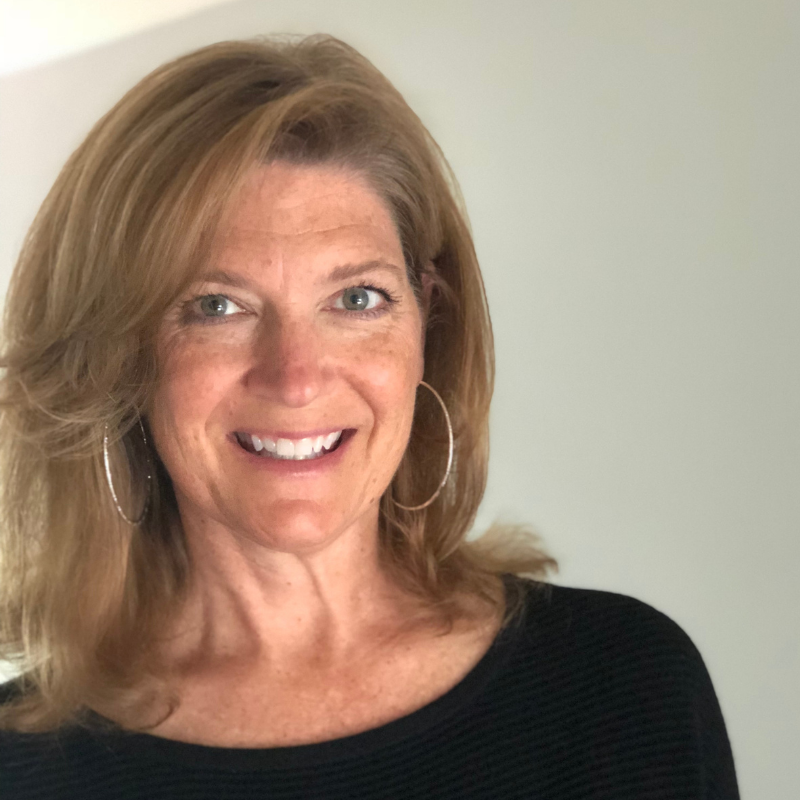
Amy F. White, MSN, BCHN, FNLP, is a board-certified holistic nutritionist and life coach who helps women over 40 lose weight and feel energized again — without extremes, restriction, or rebound. Through her science-backed, hormone-smart approach, Amy teaches women how to work with their bodies for lasting change. She’s the owner of The Simplicity of Wellness and the creator of the Metabolic Jump Start method and Hangry to Healthy Transformation program.