Why Some Meals Satisfy You and Others Don’t
I need to tell you about something that happened recently—a breakfast that completely changed how I understand hunger and satisfaction.
Every day, I eat the same breakfast. To most people, it looks like a mountain of food: huge bowl of low-fat cottage cheese, chopped pineapple, a protein waffle, and pile of my homemade mixed berry chia seed jam.
Total: 528 calories, 12 grams of fat, 48 grams of carbs, 10 grams of fiber, and 63 grams of protein.
This meal keeps me satisfied for five hours. By the time I finish, I feel completely done.
When “Enough” Doesn’t Feel Like Enough
But this morning was different. I had a hot pastrami sandwich: 5 ounces of homemade pastrami, 50 grams of sauerkraut, an ounce of Swiss cheese, a tablespoon of sugar-free thousand island dressing, all rolled into a low-carb, high-fiber wrap.
Total: 428 calories, 20 grams of fat, 16 grams of carbs, 6 grams of fiber, and 47 grams of protein.
Great protein. Reasonable calories. Delicious. But when I finished? I didn’t feel done. I wanted more. My brain wasn’t satisfied—even though the macros clearly showed it was plenty of food.
I was tempted to add my protein waffle, knowing I’d end up overly full. So I walked away from the kitchen. Twenty minutes later? I was fine. Satisfied. Not hungry at all.
That’s when it hit me: I’m a volume eater.
What Is a Volume Eater?
A volume eater is someone whose brain and body respond more to the physical amount of food on the plate than to the calorie content of that food.
And here’s the critical part—this isn’t a character flaw or lack of discipline. It’s actually how human biology works for most of us.
Research shows that humans regulate food intake based on the weight and volume of food consumed, not just calories. In one fascinating study, people drank shakes that all had the same calories—499 each—but in different sizes: small, medium, or large. The people who drank the largest shake felt the fullest and naturally ate less at their next meal.
Same calories. Different fullness. The size made the difference.
This is why my cottage cheese breakfast—a big bowl with a giant Belgian protein waffle and pile of jam—leaves me satisfied for five hours. And why my compact pastrami sandwich left me wanting more.
It’s not about willpower. It’s about how our stomachs and brains communicate.
The Casserole Problem: When Easy-to-Eat Becomes Easy to Overeat
Let me give you another example: casseroles. I love them—they’re comforting, delicious, and convenient. Everything’s in one dish: protein, veggies, fats, sometimes a grain or crust.
But here’s the problem for volume eaters: I can eat a whole casserole.
Everything is chopped into bite-sized pieces. When it’s cooked, you don’t even need a knife. You just dive in with your fork. There’s no reason to pause, no natural stopping point. Before you know it, you’ve eaten way more than you intended—not because you were still hungry, but because the meal was so easy to eat and your brain never got the signal to stop.
Compare that to a meal where you have to cut your protein and chew through fibrous vegetables. Those meals naturally slow you down, giving your brain time to catch up with your stomach.
The Science Behind the Satisfaction: Energy Density
Energy density is how many calories are packed into different foods. Some foods have a lot of calories squeezed into a small amount—nuts, cheese, oils, many casseroles. Other foods have fewer calories but take up more space—fruits, vegetables, soups, cottage cheese.
Here’s what researchers found: your stomach doesn’t count calories. It measures how full it is.
When you eat a small amount of calorie-dense food, your stomach says, “That wasn’t enough. I’m not full yet.” Even if you just ate 500 calories.
But when you eat a big bowl of lower-calorie food, your stomach says, “Okay, I’m stretched. I’m full.” Even if it’s the same number of calories—or fewer.
The problem? When you eat calorie-dense foods, you often finish before your brain gets the “I’m full” message. So you keep eating. That’s called passive overconsumption. You didn’t mean to overeat. You just never felt full.
Why Most People Struggle (And Why It’s Not About Willpower)
When your brain doesn’t get the signal that you’ve eaten enough, it keeps asking for more. That’s not a character flaw. That’s biology. And if you don’t understand it, you’ll spend your whole life fighting a battle you can’t win through willpower alone.
This likely plays into the whole obesity epidemic and the constant chatter about “endless food noise” driving people to eat and snack more.
This is why food should feel like support, not a fight. When you understand how your body works—when you learn to build meals that satisfy you physiologically, not just nutritionally—everything gets easier. You stop white-knuckling. You stop obsessing. You stop feeling out of control around food.
The Two-Part Solution for Lasting Weight Loss
Here’s what’s happening in your body: your cells are looking for nutrients. When they get what they need—protein, vitamins, minerals, fiber—they send a signal to your brain that says, “We’re good. You can stop eating now.” But when you eat ultra-processed foods or other foods that are high in calories but low in actual nutrition, your cells keep asking for more. The calories came in, but the nutrients didn’t. So the hunger signal stays on.
This is a two-part process:
- Eat nutrient-dense protein—real food, not ultra-processed stuff—to give your cells what they’re looking for
- Add high-volume, nutrient-dense foods—vegetables and fruit—to fill your stomach and stretch those fullness receptors
When you do both, you satisfy your body on two levels: your cells get the nutrients they need, and your stomach gets the volume it needs. That’s when hunger finally turns off.
Scientists analyzed 38 different studies and found that when people ate bigger portions of lower-calorie foods, they ate about 223 fewer calories per day—without even trying. They ate the same amount of food. It just had fewer calories packed into it. And they weren’t any hungrier.
Another study followed women for a year. One group just tried to eat less fat. The other group ate less fat and added more fruits and vegetables. The group that added more fruits and veggies lost more weight—about 17 pounds compared to 14 pounds. And they said they were less hungry, even though they were eating fewer calories.
More food. Fewer calories. Less hunger. More weight loss.
Are You a Volume Eater? The Tell-Tale Signs
Ask yourself:
- Do you feel more satisfied when your plate looks full?
- Do you prefer big salads, bowls, and plates of food over small, compact meals?
- Do you finish a meal that’s “enough” on paper but still feel like something’s missing?
- Do you find yourself going back for seconds not because you’re hungry, but because you didn’t feel done?
- Can you eat an entire casserole without blinking?
If you’re nodding along, you’re probably a volume eater. And that’s not a problem—it’s information. It’s data you can use to build meals that actually satisfy you.
Six Practical Strategies to Eat for Volume (Without Overeating)
Strategy #1: Prioritize Low Energy-Density Foods
Focus on lean protein, water-rich & fiber-rich foods: vegetables, fruits, soups, stews, salads, cottage cheese, Greek yogurt, egg whites, lean proteins. These foods take up space in your stomach without packing in excess calories. These are your “mostly” foods—the foundation of how you eat most of the time.
Strategy #2: Build Your Plate Visually
If you’re a volume eater, your eyes matter. A small portion on a big plate will leave you feeling deprived before you take a bite. Use a smaller plate and fill it. Make it look abundant. Let your brain see that you’re getting enough.
Strategy #3: Anchor with Protein—But Add Volume Around It
Start with protein to stabilize blood sugar, calm your appetite, and set the tone for the day. But if you’re a volume eater, protein alone might not be enough. Build volume around that protein anchor. My breakfast works because it’s high protein and high volume—the cottage cheese is the base, but the pineapple, waffle, and jam add bulk.
Strategy #4: Be Strategic with Energy-Dense Foods
I’m not saying avoid cheese, nuts, oils, or avocado. These are nutritious “sometimes” foods. But if you’re a volume eater, use them as accents, not as the foundation. A little cheese on a big salad. A drizzle of olive oil on a huge plate of roasted vegetables. You get the flavor and nutrition without sacrificing the volume your brain needs.
Strategy #5: Slow Down—Especially with Easy-to-Eat Foods
When food is soft, pre-cut, and easy to shovel in, you bypass your body’s natural satiety signals. So if you’re eating something that goes down easy, slow down intentionally. Put your fork down between bites. Give your brain time to register what you’re eating.
Strategy #6: Use the 20-Minute Rule
Before going back for more, wait 20 minutes. Walk away from the kitchen. Do something else. Then ask yourself: Am I still hungry, or was I just not done eating? Nine times out of ten, you’ll find you’re satisfied. Your body just needed time to catch up.
This Isn’t Restriction—It’s Strategy
Volume eating isn’t about eating less. It’s about eating smarter. It’s giving yourself permission to eat more—more protein, more vegetables, more fruit, more fiber, more food on your plate—while still supporting your goals. It’s working with your biology instead of against it.
This is what food rhythms over food rules looks like. You’re not following a rigid plan. You’re not white-knuckling through the day. You’re building a repeatable way of feeding yourself that keeps your hunger in check, your metabolism supported, and your cravings quiet.
Research shows that people who increase low energy-density foods maintain their weight loss better over time. One study found that 78% of participants maintained their weight loss over two years when they stuck with a low energy-density approach.
That’s not a diet. That’s a lifestyle. That’s food freedom.
Your Action Step
Pay attention to which meals leave you truly satisfied and which ones leave you wanting more. Look at the volume. Look at the energy density. Notice if you feel more satisfied after a big bowl of food versus a small, compact meal—even if the calories are similar.
If you realize you’re a volume eater, start experimenting. Start with more protein then add more vegetables. Build meals that look abundant. Use smaller plates and bowls so they overflow with food. Give yourself permission to eat more food—just make it the right kind of food.
See how it changes the way you feel—not just physically, but mentally. Because when you’re not fighting hunger all day, when you’re not battling food noise, everything gets easier. You go from “I can’t be trusted around food” to “I know exactly what I need and when.”
Ready for Personalized Guidance?
Understanding volume eating is just one piece of the puzzle. If you’re ready for personalized support with healthy, sustainable weight loss through food freedom—so you can fit back into your favorite clothes without excessive restriction or waking up every day feeling deprived—I’d love to help.
Click Here to Schedule your free “Transformation Starts Here” consult call and let’s create a plan that works with your body, not against it.
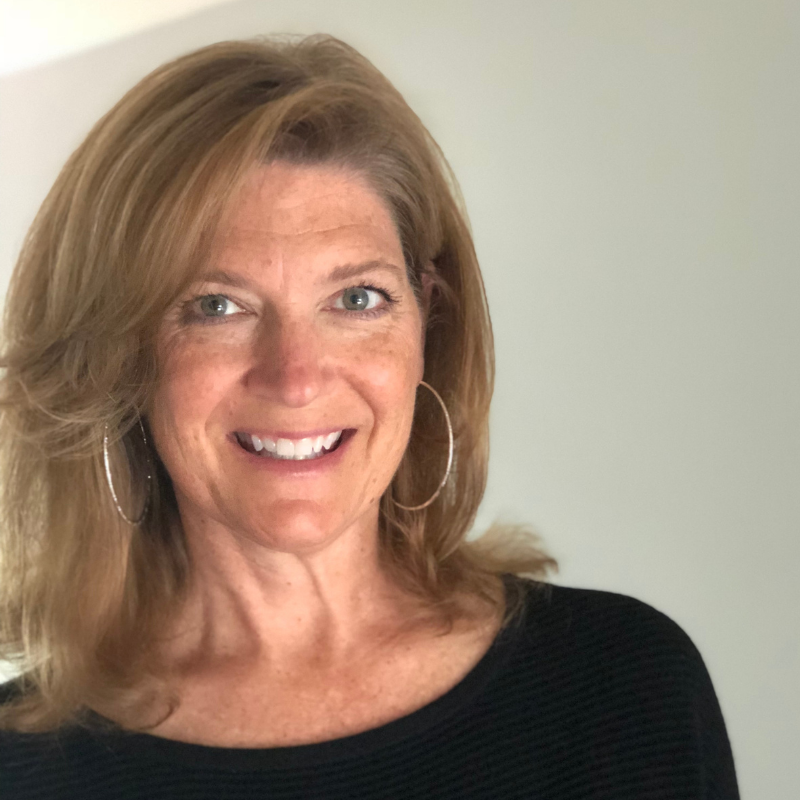
Amy F. White, MSN, BCHN, FNLP, is a board-certified holistic nutritionist and life coach who helps women over 40 lose weight and feel energized again — without extremes, restriction, or rebound. Through her science-backed, hormone-smart approach, Amy teaches women how to work with their bodies for lasting change. She’s the owner of The Simplicity of Wellness and the creator of the Metabolic Jump Start method and Hangry to Healthy Transformation program.